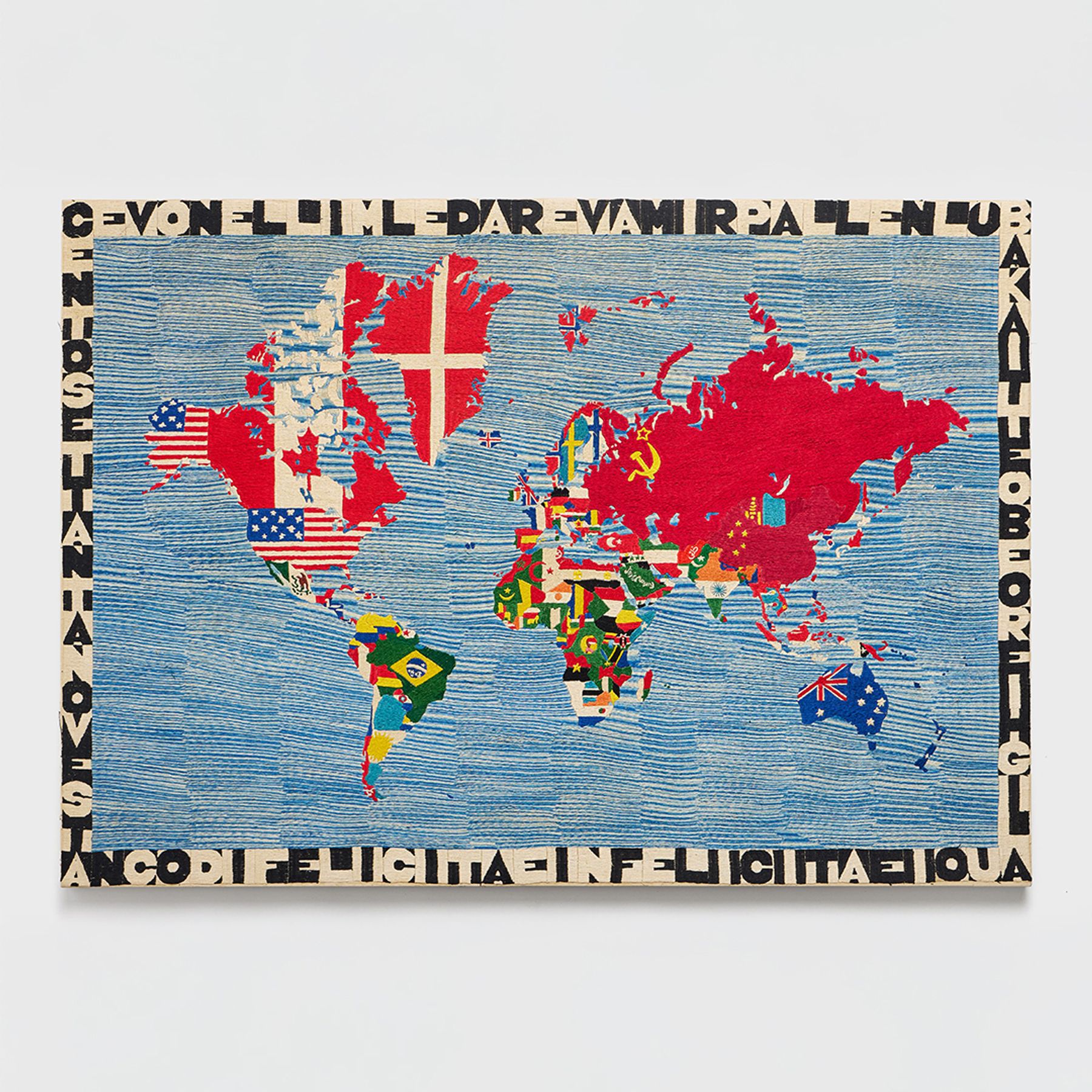
7 May — 22 November 2026
ALIGHIERO BOETTI
exhibition, currentSMAC Venice is delighted to present Alighiero Boetti, a major exhibition dedicated to Italian post-war master Alighiero Boetti (Turin, 1940 – Rome, 1994). Curated by Elena Geuna and supported by Ben Brown Fine Arts, the exhibition will be on view from 7 May to 22 November 2026, coinciding with the 61st International Art Exhibition of La Biennale di Venezia. Bringing together approximately eighty works across eight galleries, the exhibition offers an expansive survey of one of the most influential artists of the post-war period. Spanning more than twenty-five years, from the late 1960s to the early 1990s, it traces the full arc of Boetti’s artistic trajectory and highlights the breadth and complexity of his practice.
Image Gallery
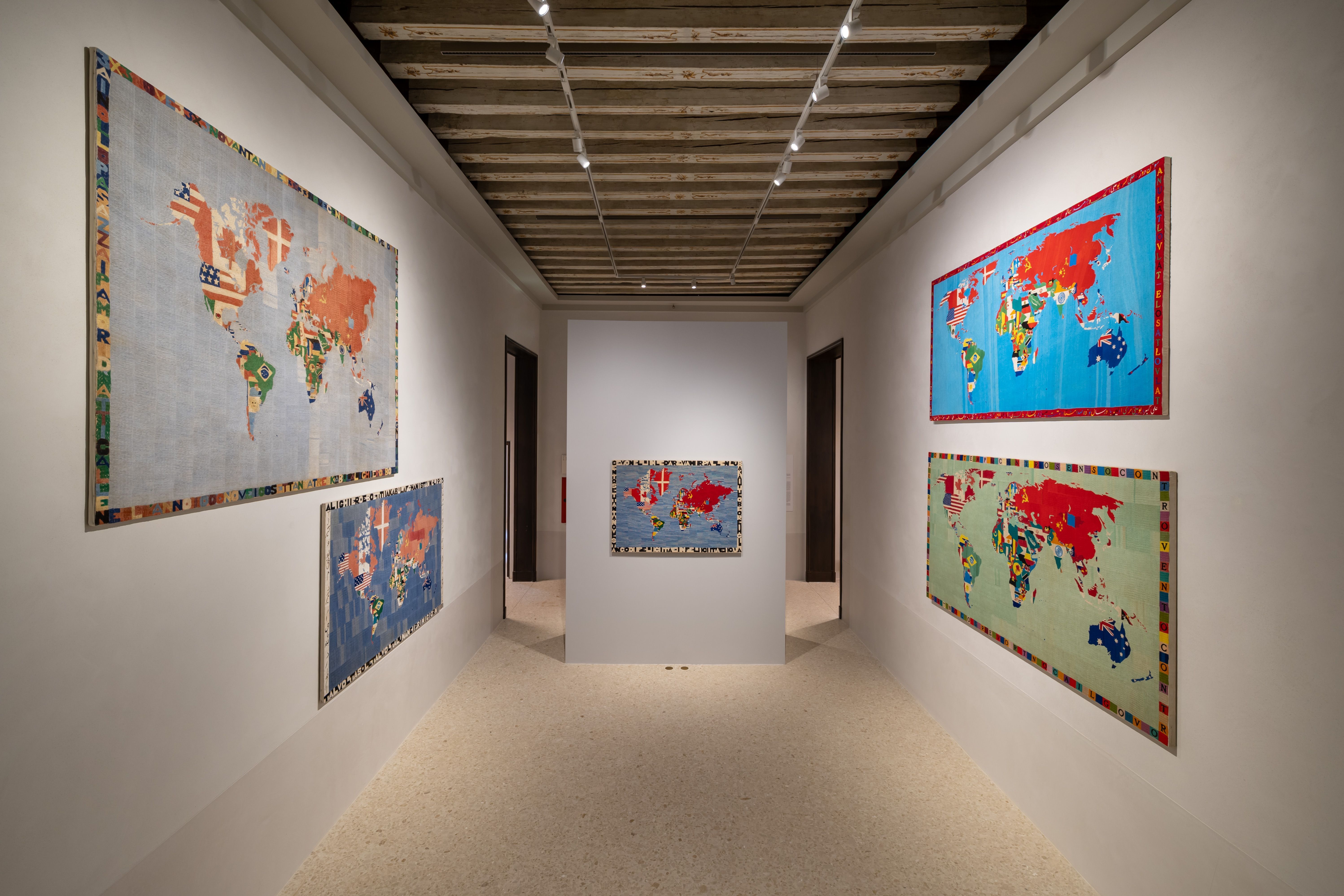
Alighiero Boetti Installation views at SMAC Venice (San Marco Art Centre), photos by Nicolò Miana © Alighiero Boetti, 2026, DACS
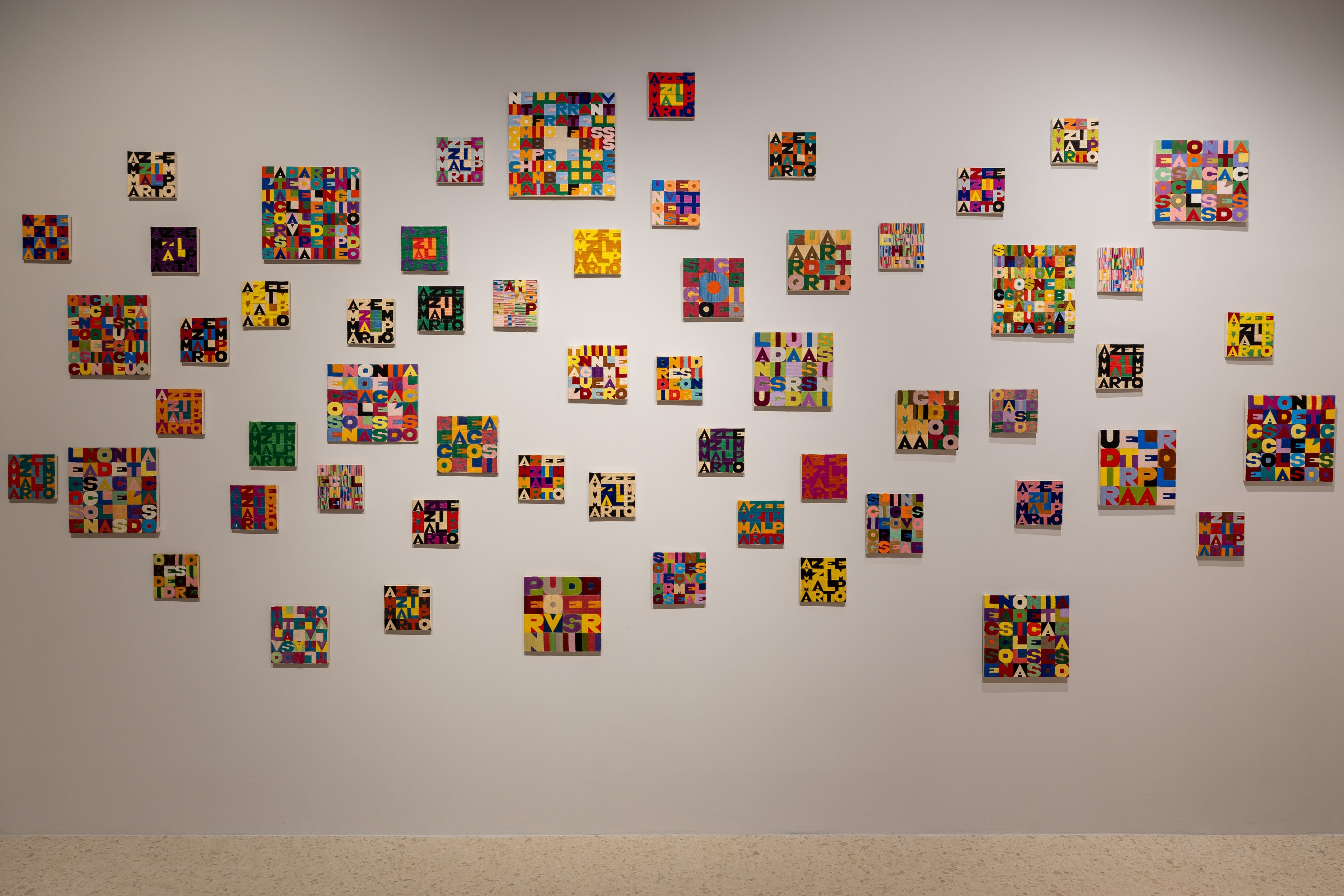
Alighiero Boetti Installation views at SMAC Venice (San Marco Art Centre), photos by Nicolò Miana © Alighiero Boetti, 2026, DACS
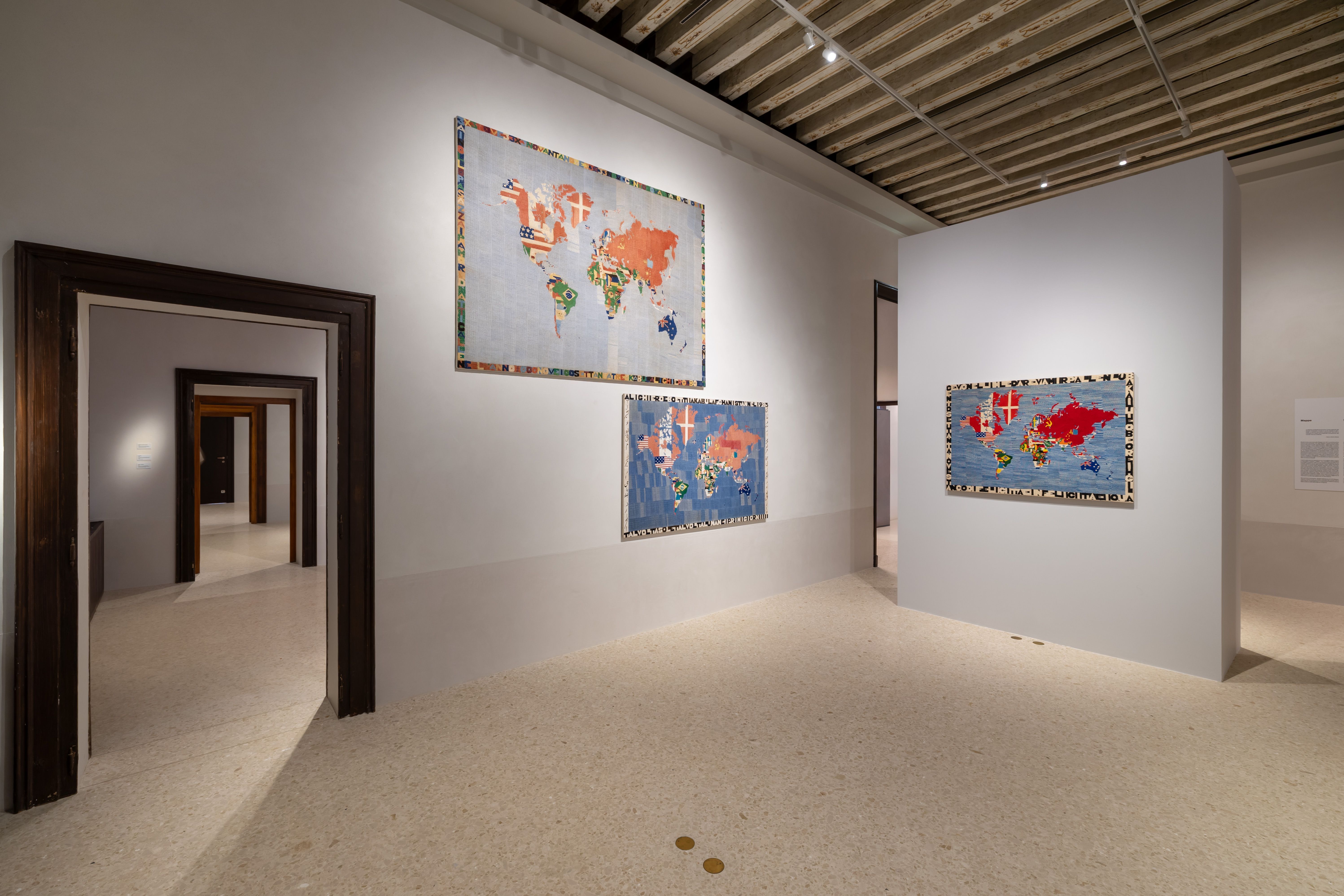
Alighiero Boetti Installation views at SMAC Venice (San Marco Art Centre), photos by Nicolò Miana © Alighiero Boetti, 2026, DACS
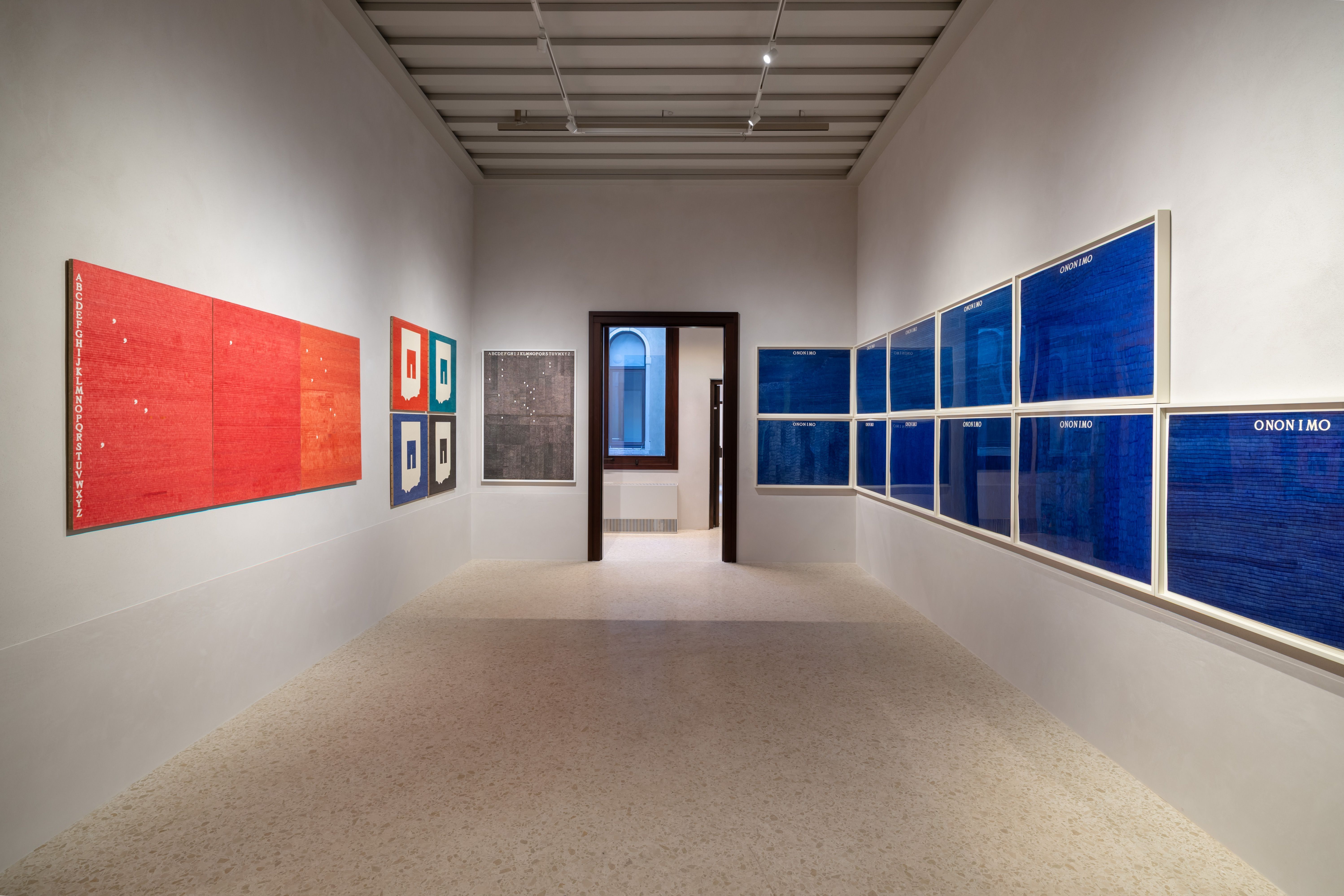
Alighiero Boetti Installation views at SMAC Venice (San Marco Art Centre), photos by Nicolò Miana © Alighiero Boetti, 2026, DACS
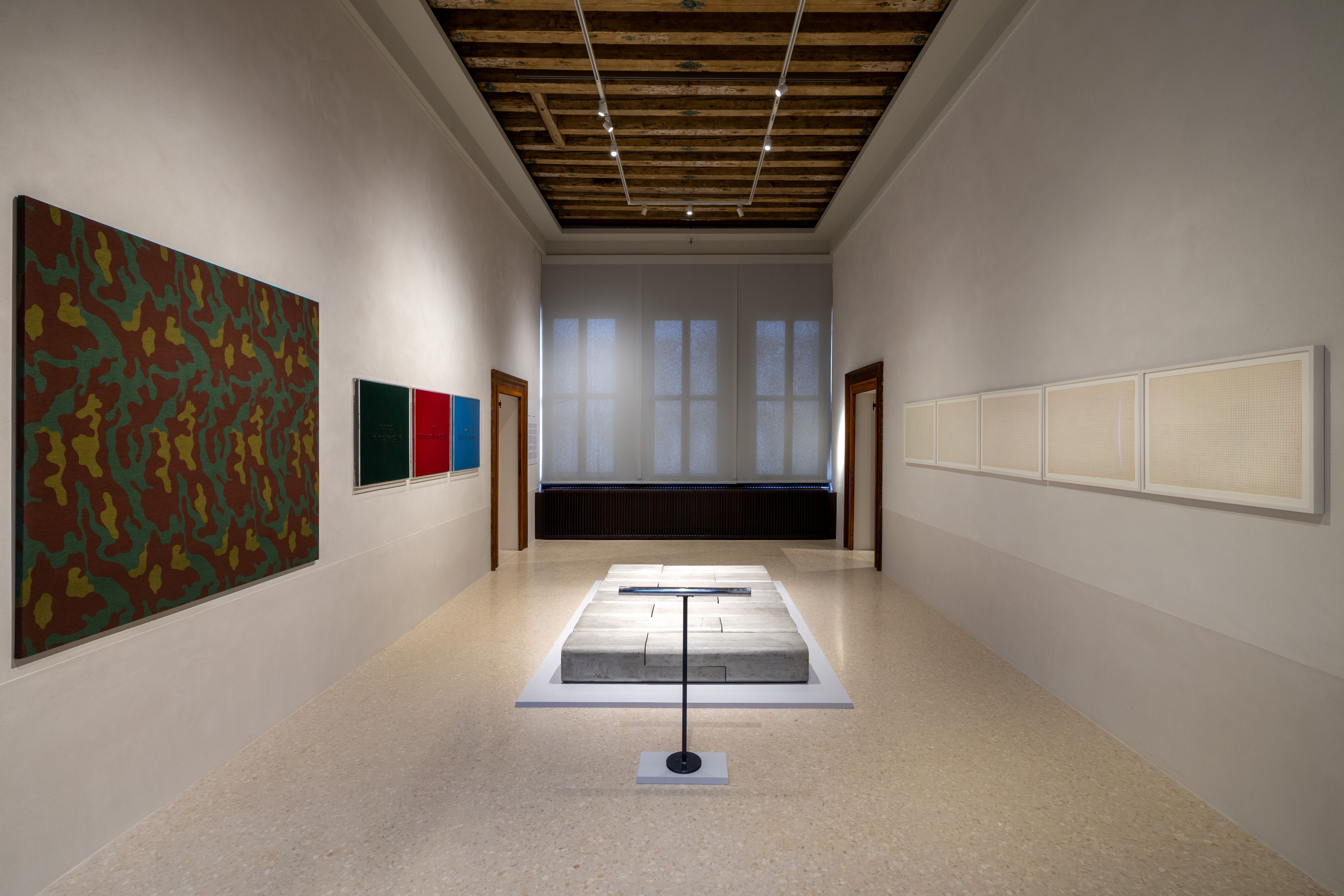
Alighiero Boetti Installation views at SMAC Venice (San Marco Art Centre), photos by Nicolò Miana © Alighiero Boetti, 2026, DACS
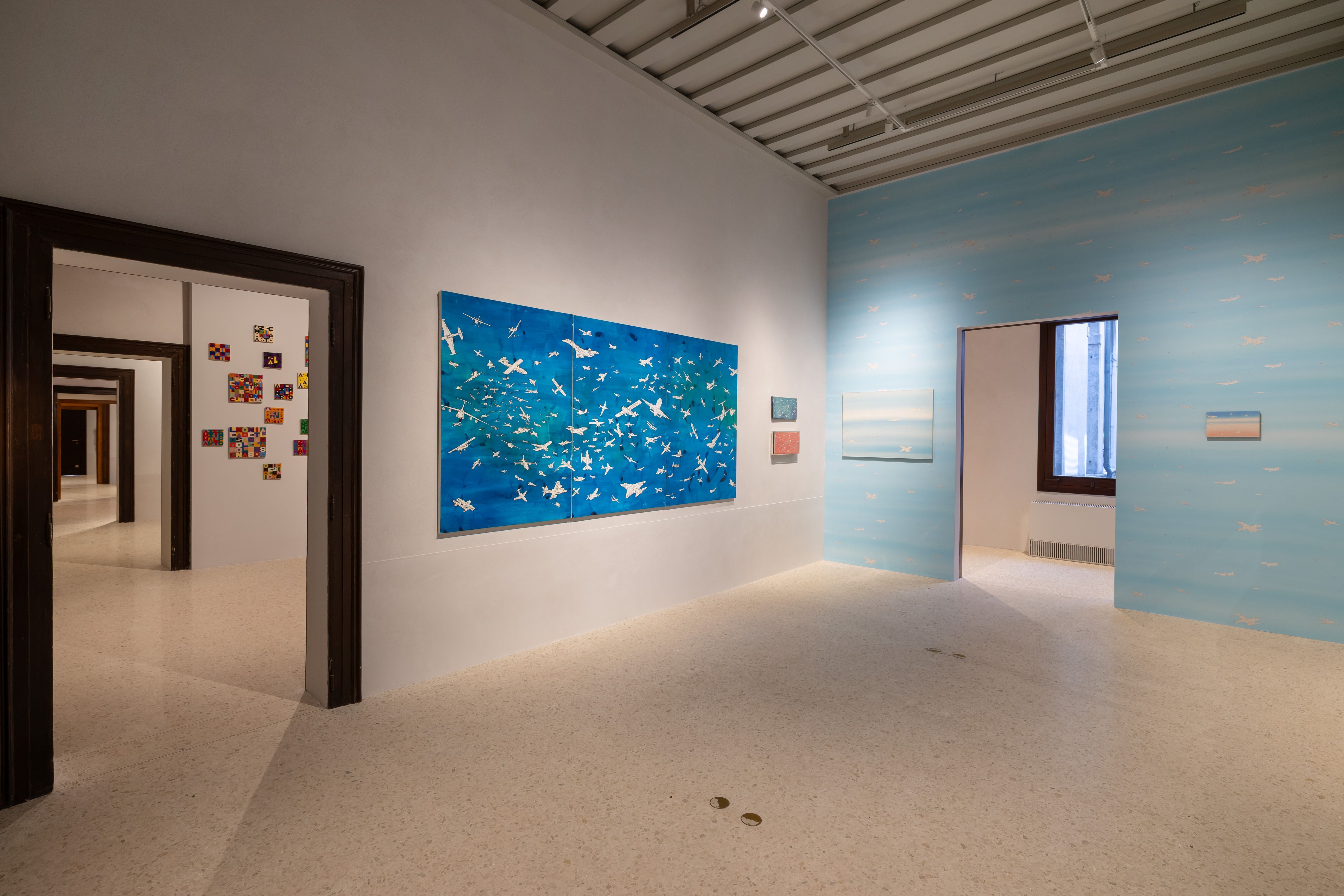
Alighiero Boetti Installation views at SMAC Venice (San Marco Art Centre), photos by Nicolò Miana © Alighiero Boetti, 2026, DACS
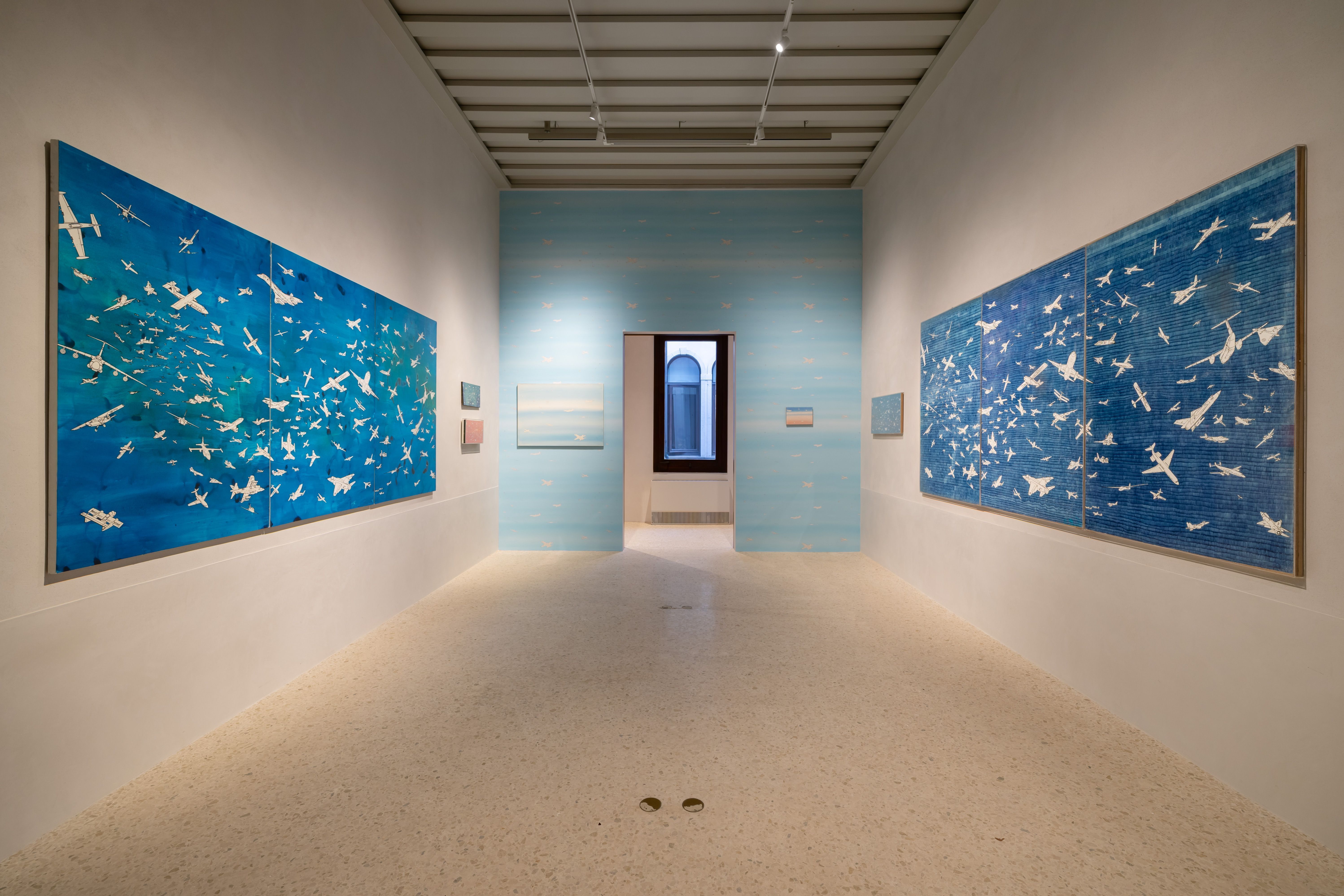
Alighiero Boetti Installation views at SMAC Venice (San Marco Art Centre), photos by Nicolò Miana © Alighiero Boetti, 2026, DACS
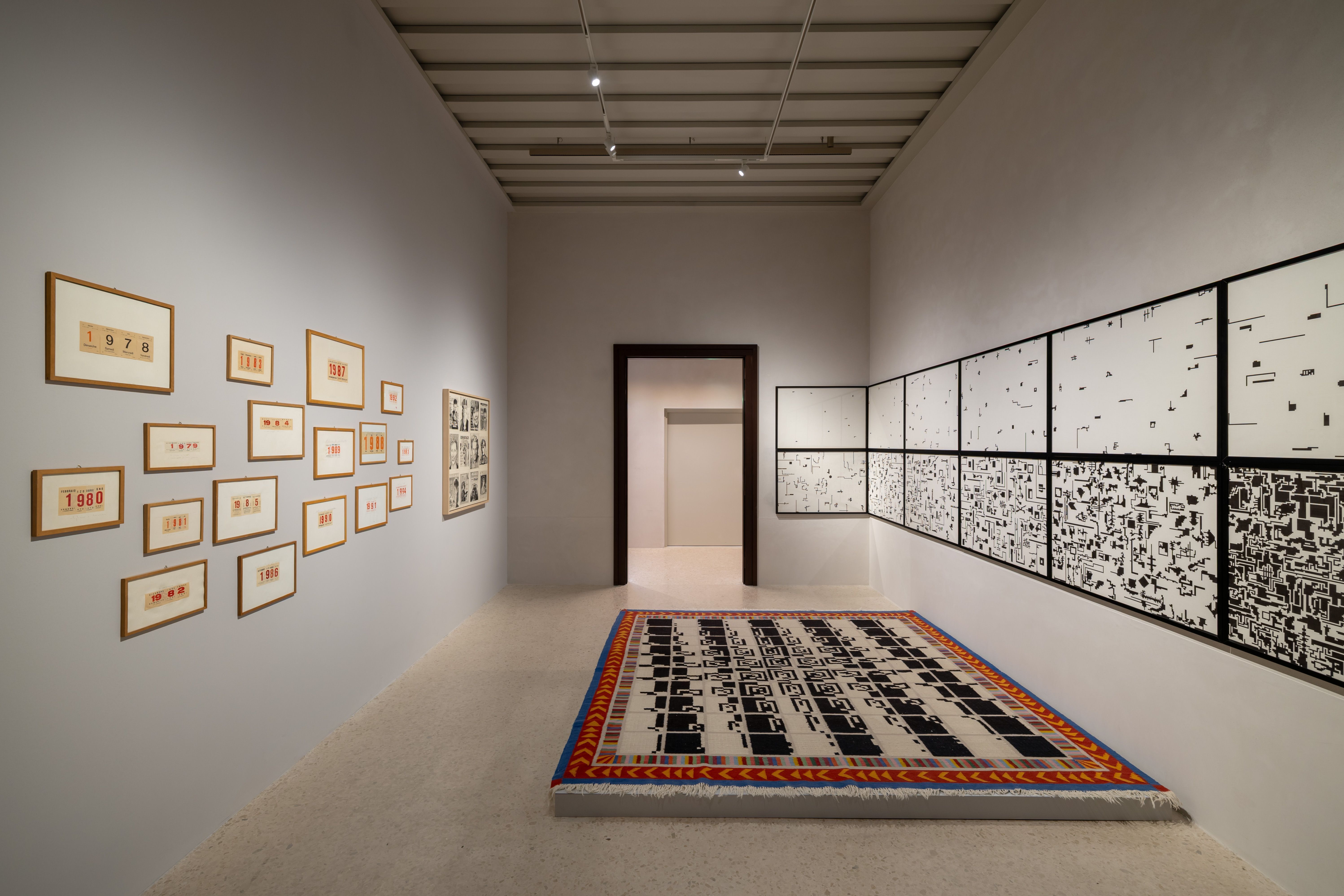
Alighiero Boetti Installation views at SMAC Venice (San Marco Art Centre), photos by Nicolò Miana © Alighiero Boetti, 2026, DACS
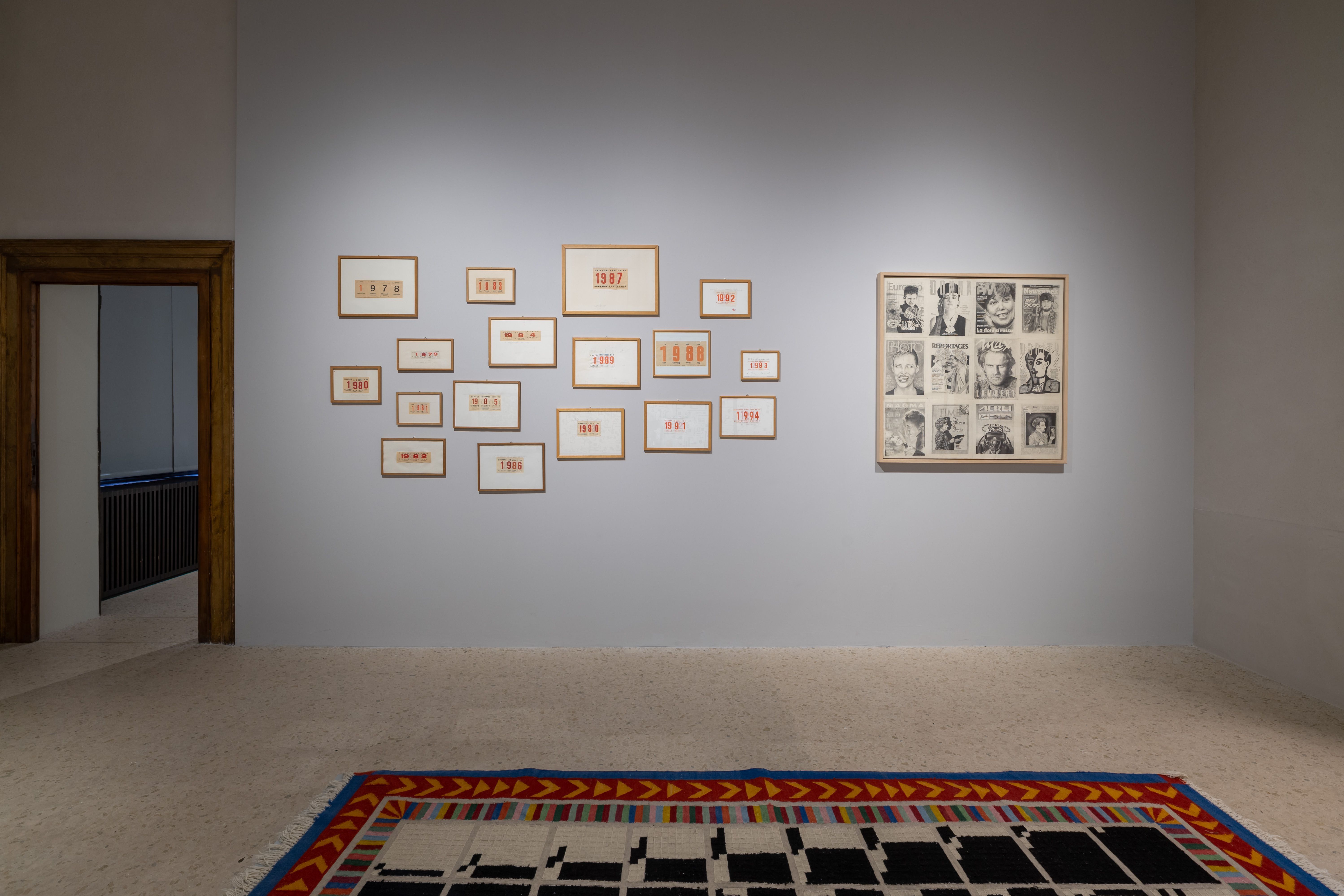
Alighiero Boetti Installation views at SMAC Venice (San Marco Art Centre), photos by Nicolò Miana © Alighiero Boetti, 2026, DACS
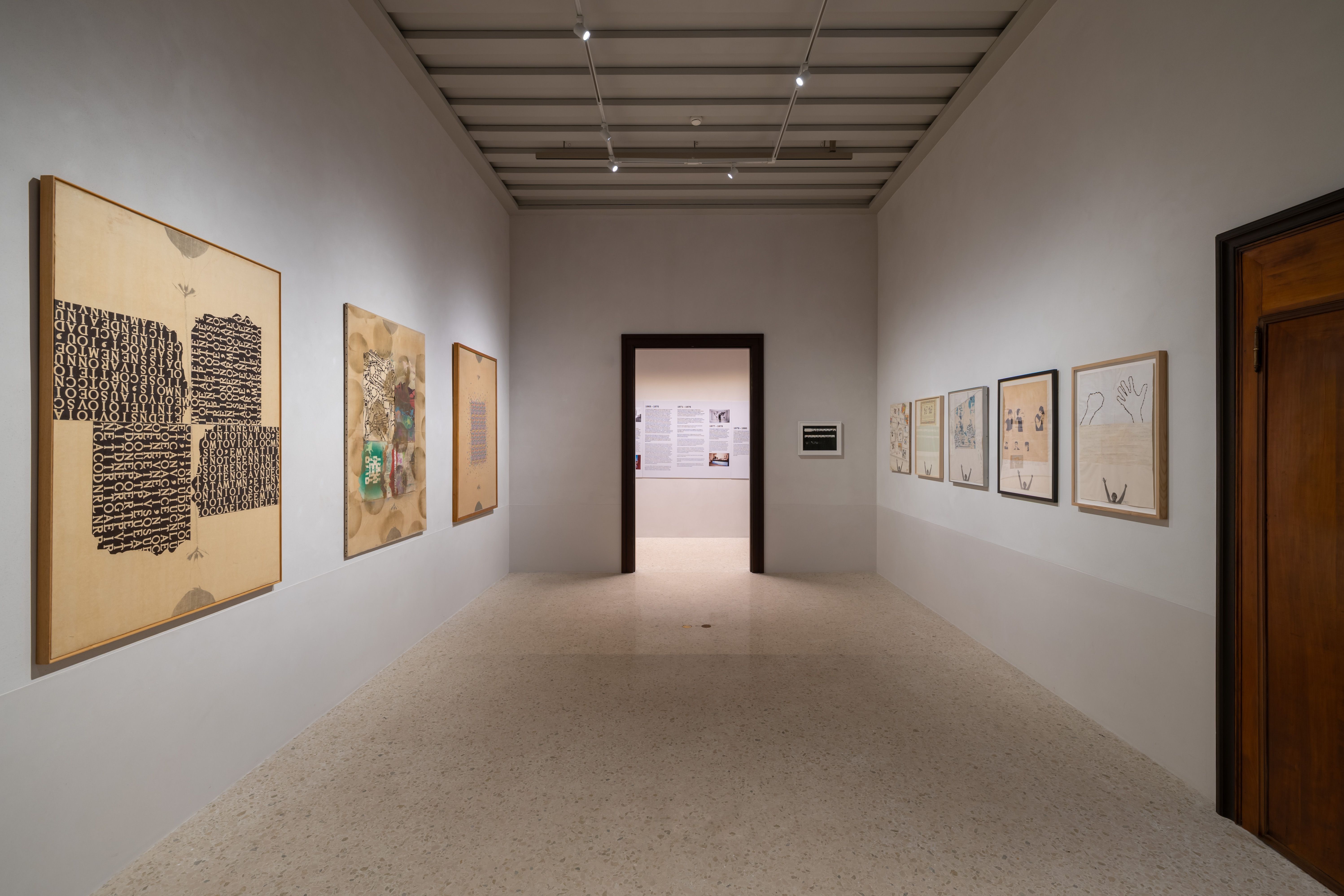
Alighiero Boetti Installation views at SMAC Venice (San Marco Art Centre), photos by Nicolò Miana © Alighiero Boetti, 2026, DACS
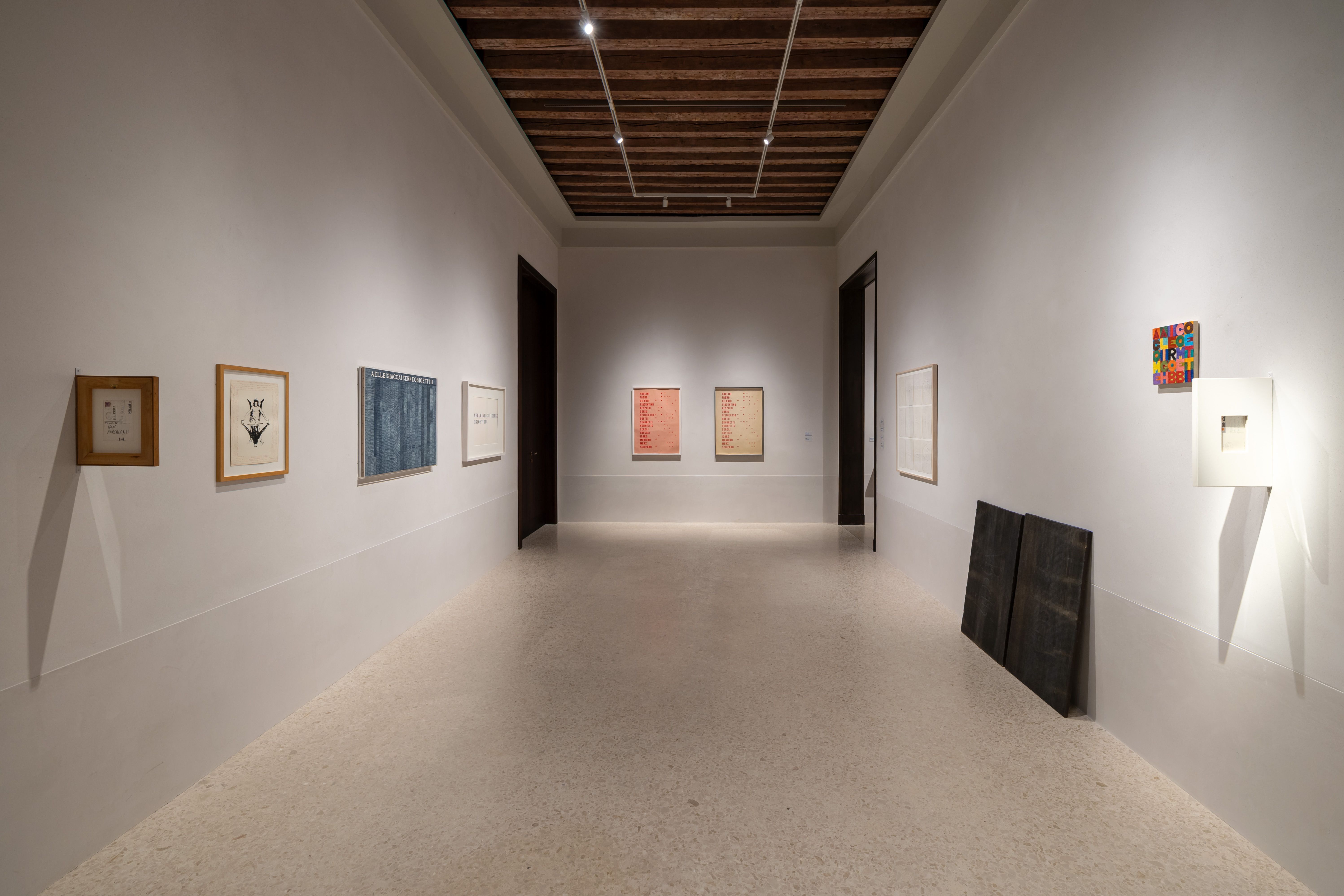
Alighiero Boetti Installation views at SMAC Venice (San Marco Art Centre), photos by Nicolò Miana © Alighiero Boetti, 2026, DACS
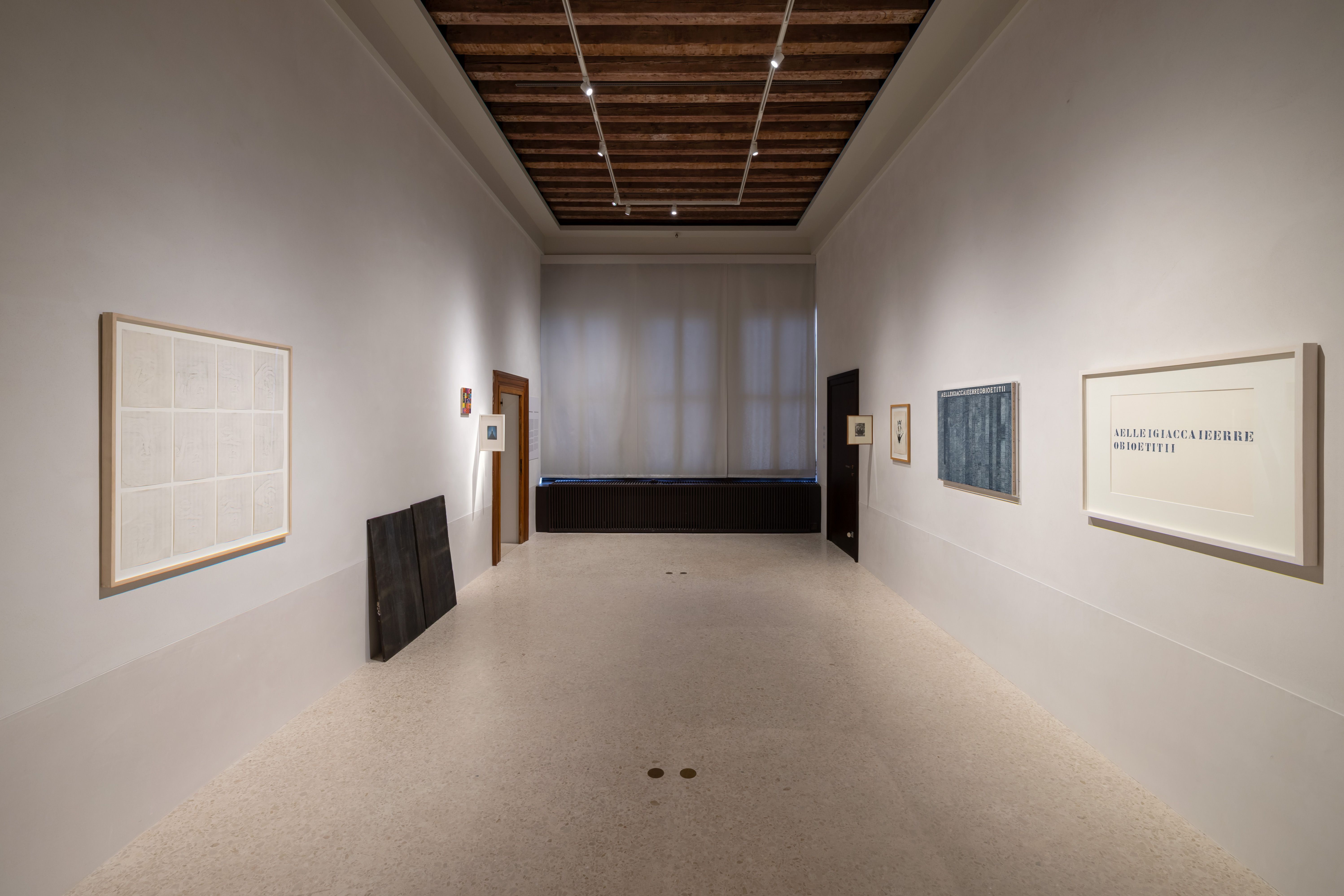
Alighiero Boetti Installation views at SMAC Venice (San Marco Art Centre), photos by Nicolò Miana © Alighiero Boetti, 2026, DACS
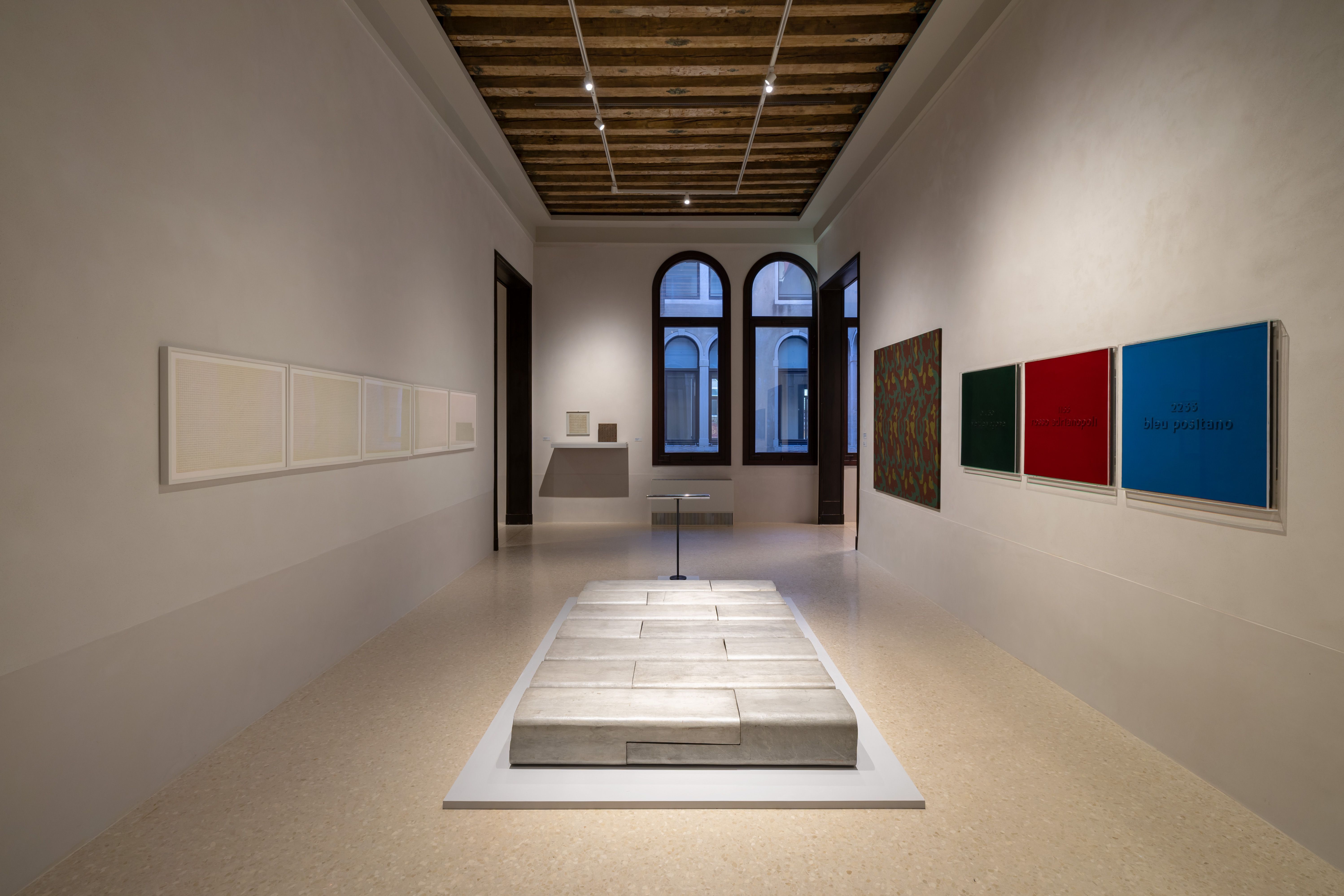
Alighiero Boetti Installation views at SMAC Venice (San Marco Art Centre), photos by Nicolò Miana © Alighiero Boetti, 2026, DACS
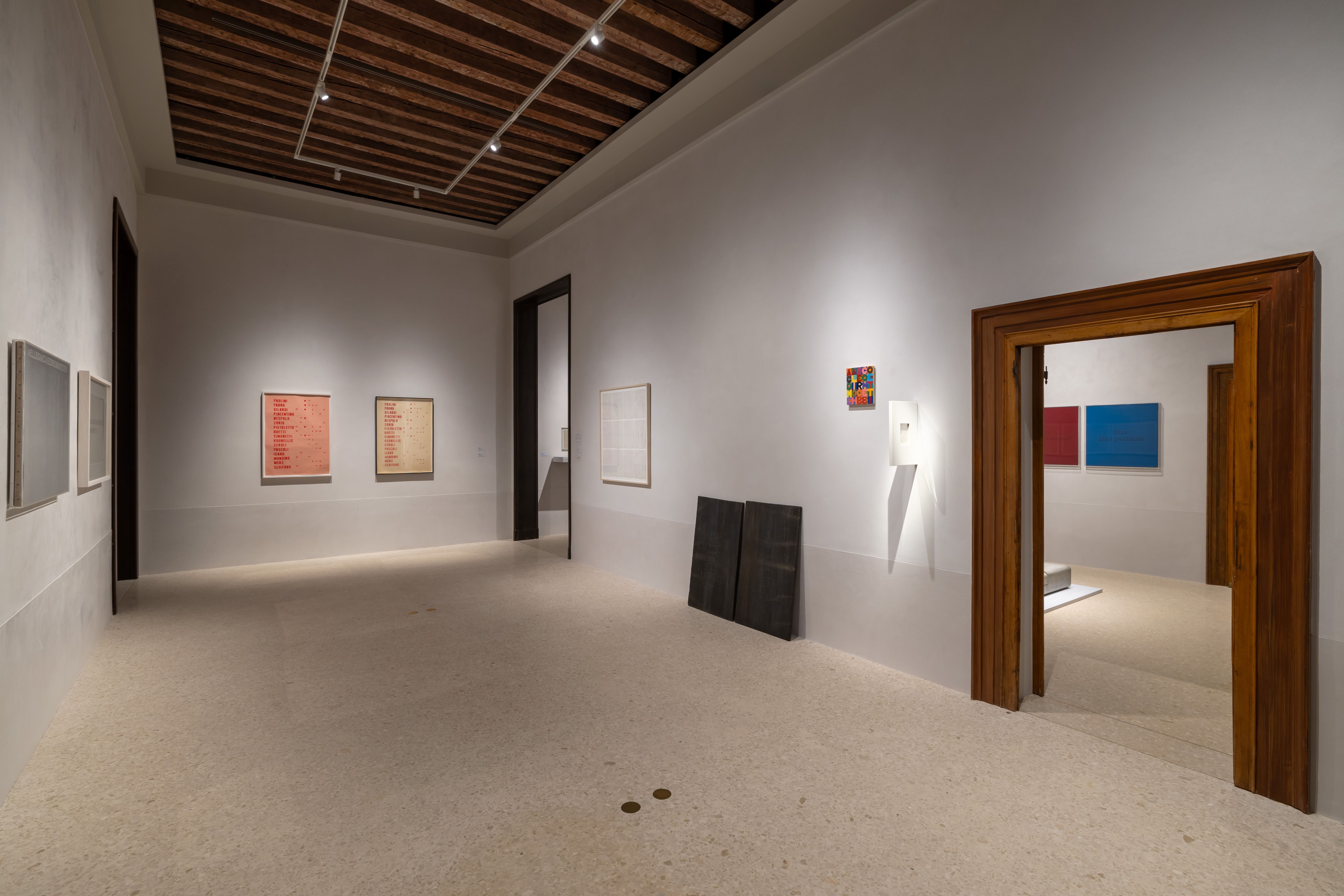
Alighiero Boetti Installation views at SMAC Venice (San Marco Art Centre), photos by Nicolò Miana © Alighiero Boetti, 2026, DACS
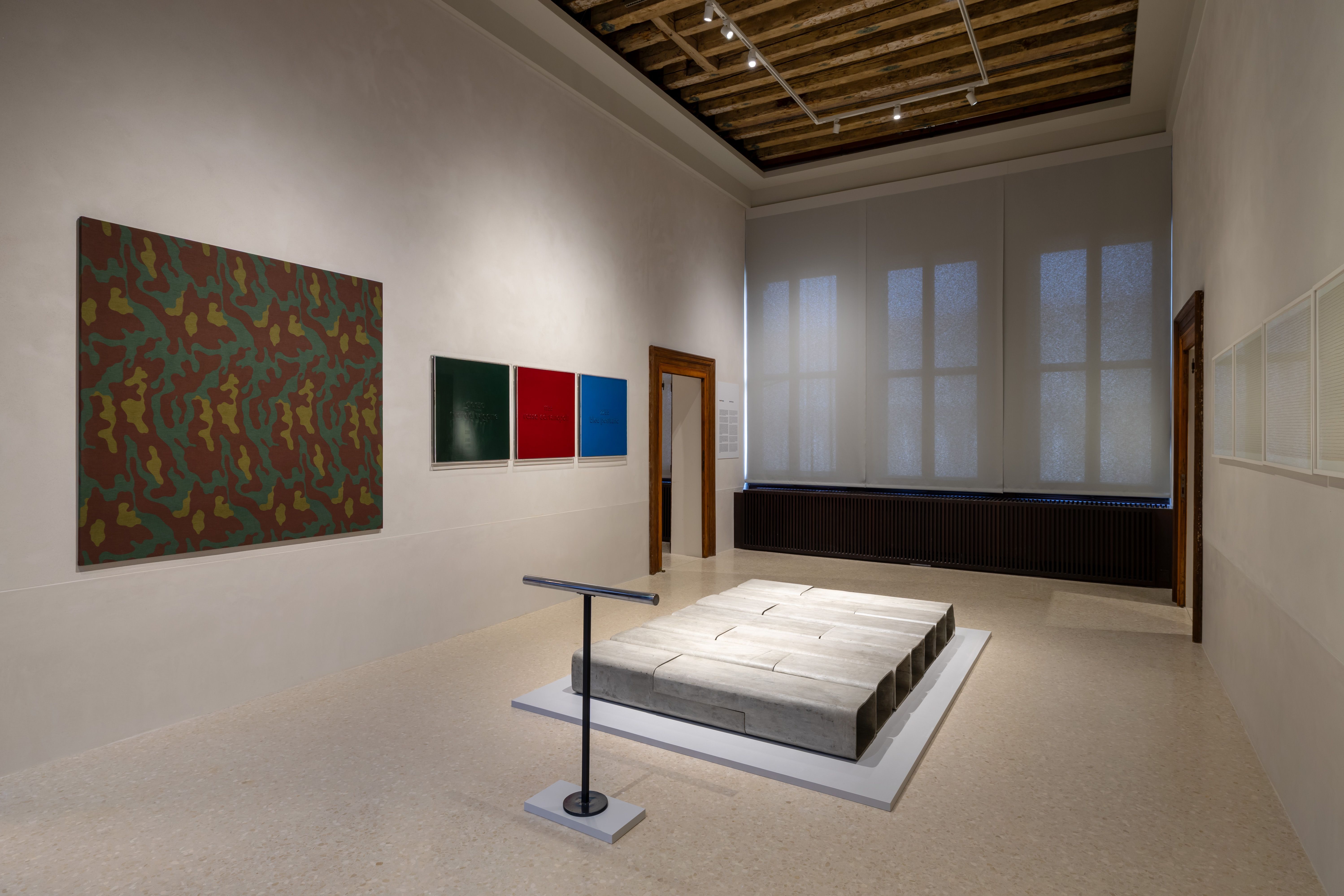
Alighiero Boetti Installation views at SMAC Venice (San Marco Art Centre), photos by Nicolò Miana © Alighiero Boetti, 2026, DACS